Alternative fuel portfolio
Alternative fuel streams matched to real industrial demand.
From residual alternative fuels and biomass to organic feedstocks, every route begins with the material and the receiving process.
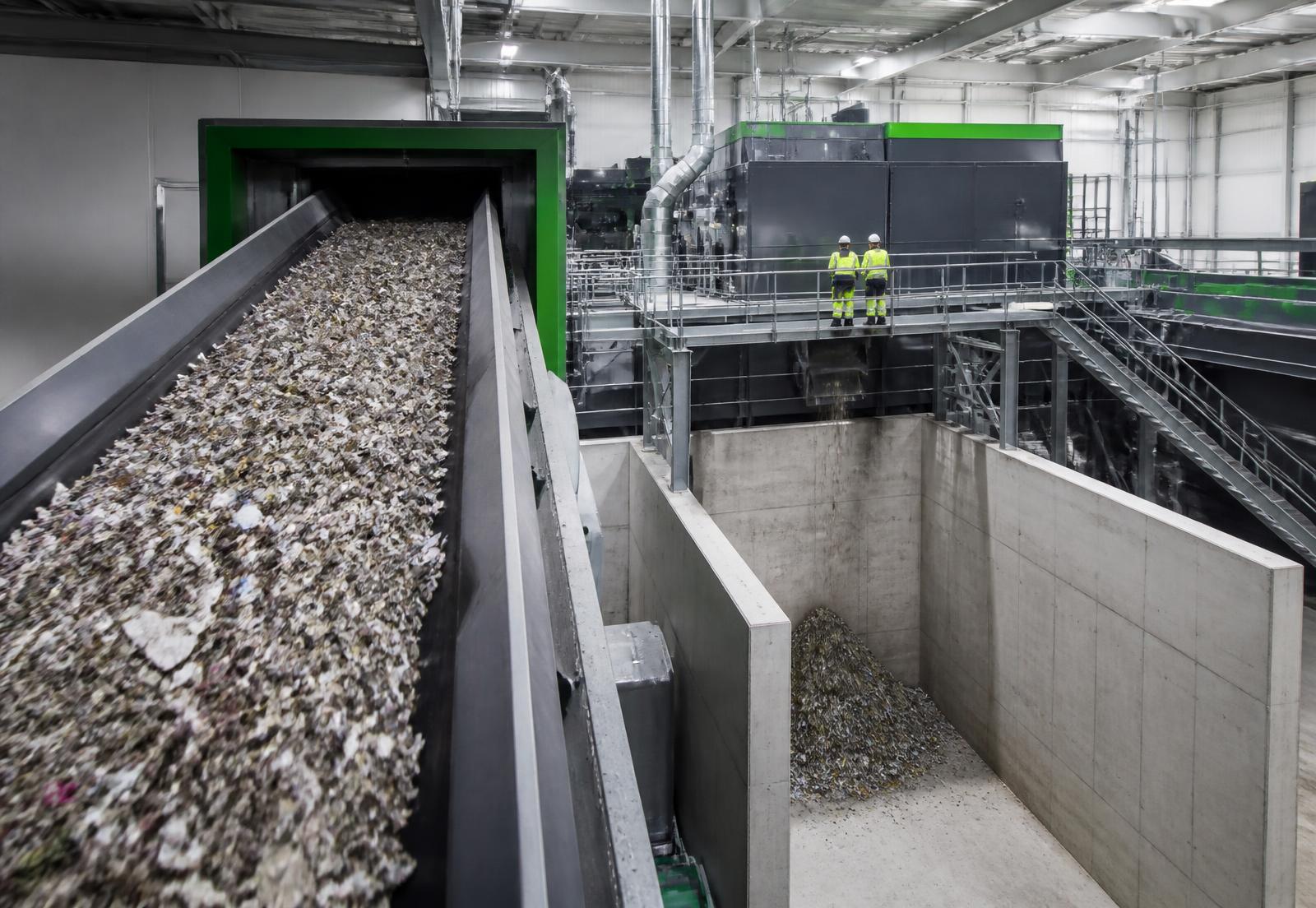
Refuse-derived fuel (RDF)
Processed residual material prepared for permitted energy recovery and industrial fuel applications.
Supply discussions begin with classification, representative analysis, physical form, expected volume and the receiving operation’s acceptance requirements.
Read the RDF guide →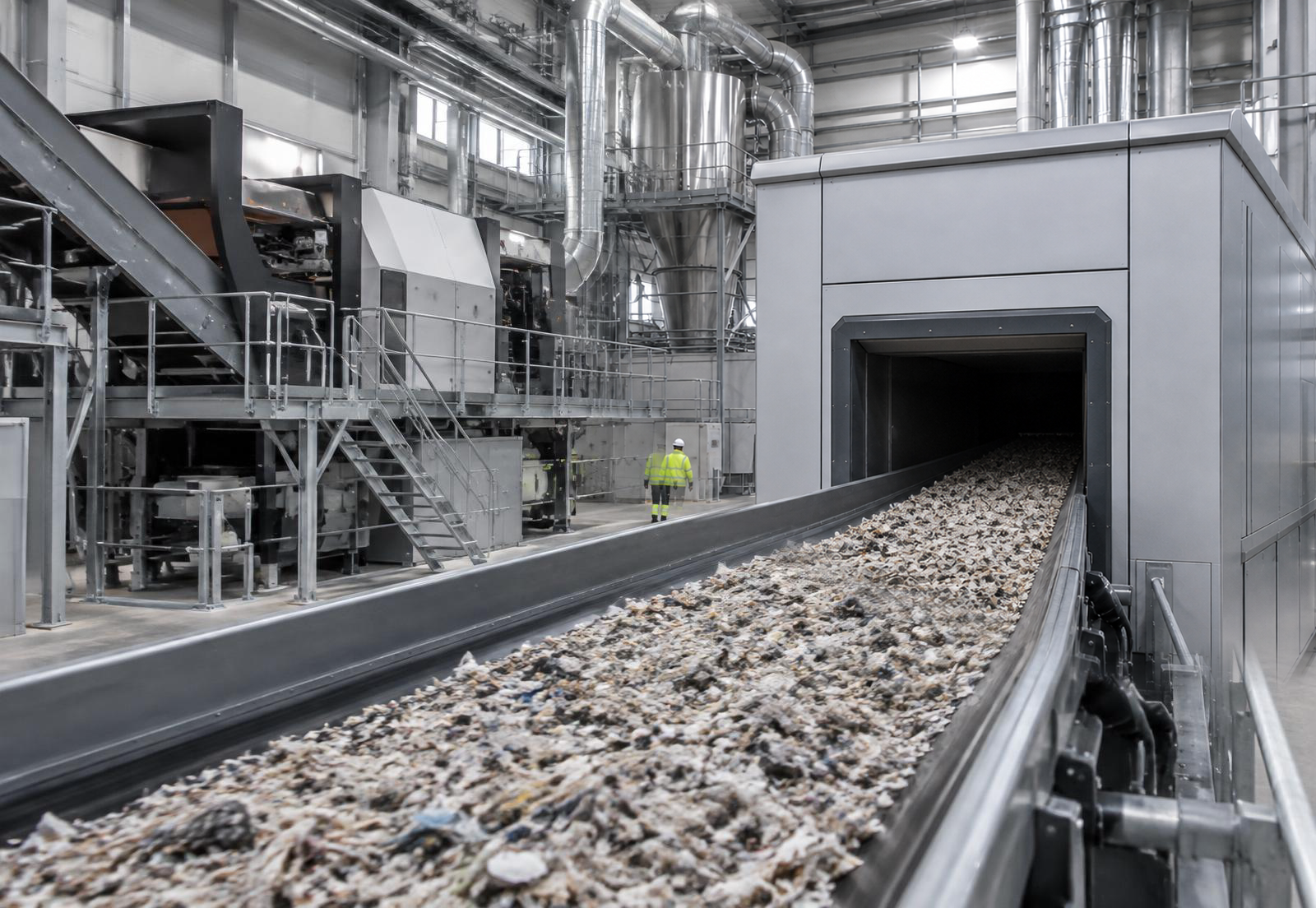
Solid recovered fuel (SRF)
Specification-led fuel produced from non-hazardous residual material for suitable industrial applications.
SRF is prepared to a defined classification and agreed quality parameters. Energy value, moisture, chlorine, ash, particle size and physical form must fit the receiving process and its acceptance requirements.
Read the SRF guide →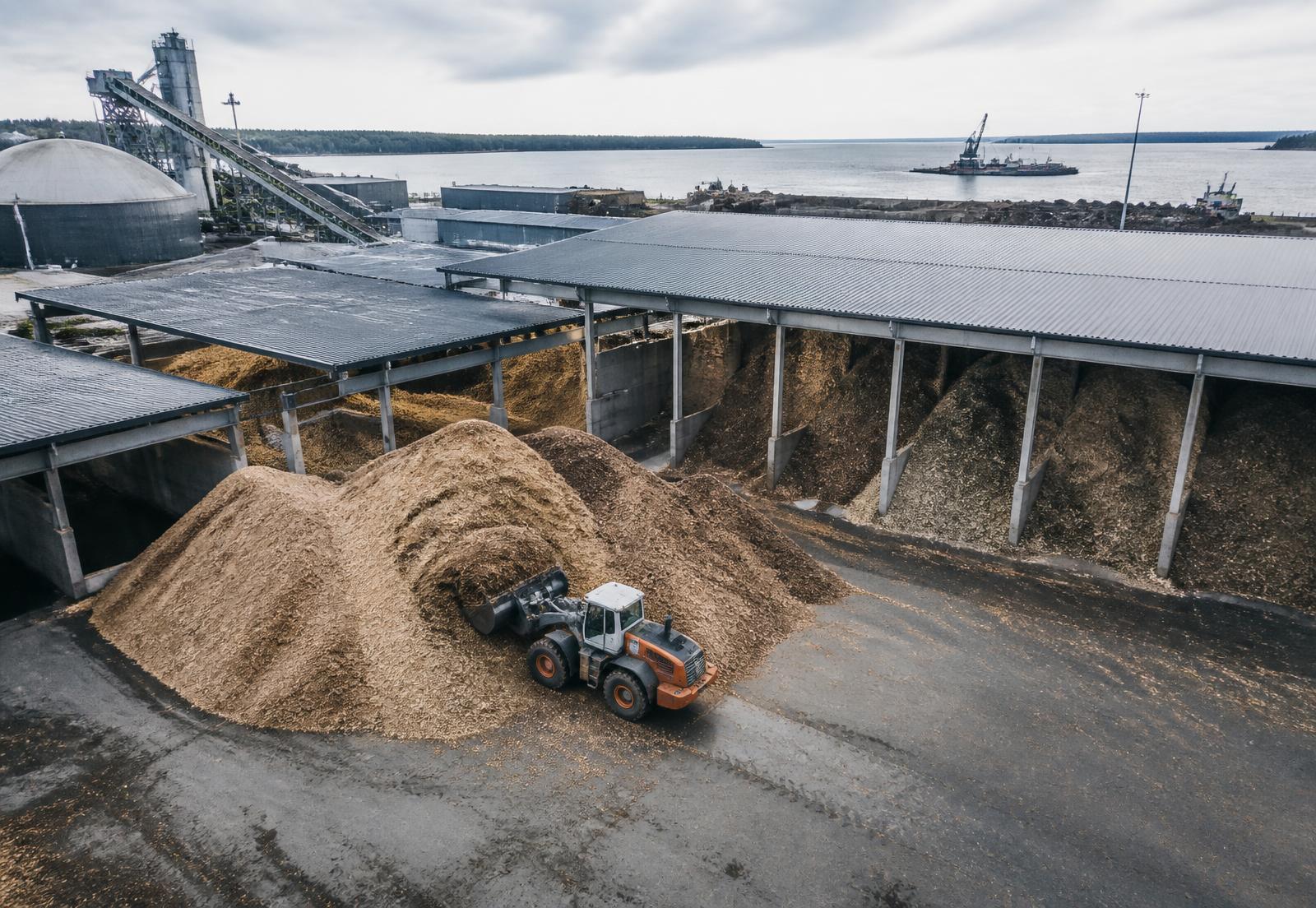
Woodchip biomass
Wood-based fuel streams matched to suitable heat and power applications.
Origin, particle size, moisture, ash, contamination, storage and delivery method all influence whether a stream fits an operation.
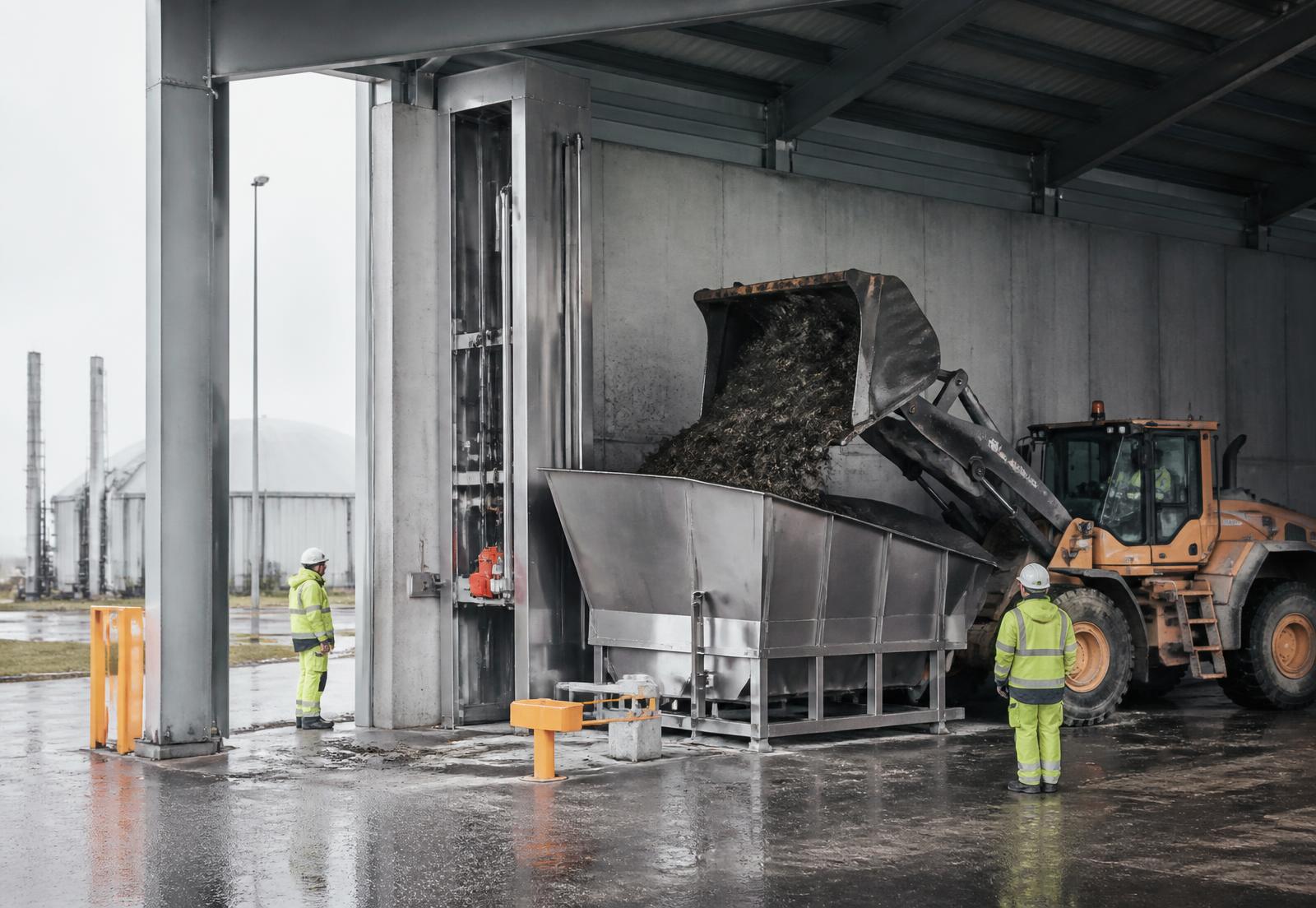
Biogas feedstocks
Organic raw materials considered for anaerobic digestion and biogas production.
Feedstock value depends on composition, contamination, handling, seasonality and the technical and regulatory requirements of the receiving plant.
Alternative fuels are not a single standard product. What can be supplied depends on the material used, the supplier's production equipment and methodology, and the receiving party's specification. Capacity and technical specification are clarified at the start of each cooperation—see our disclaimer.