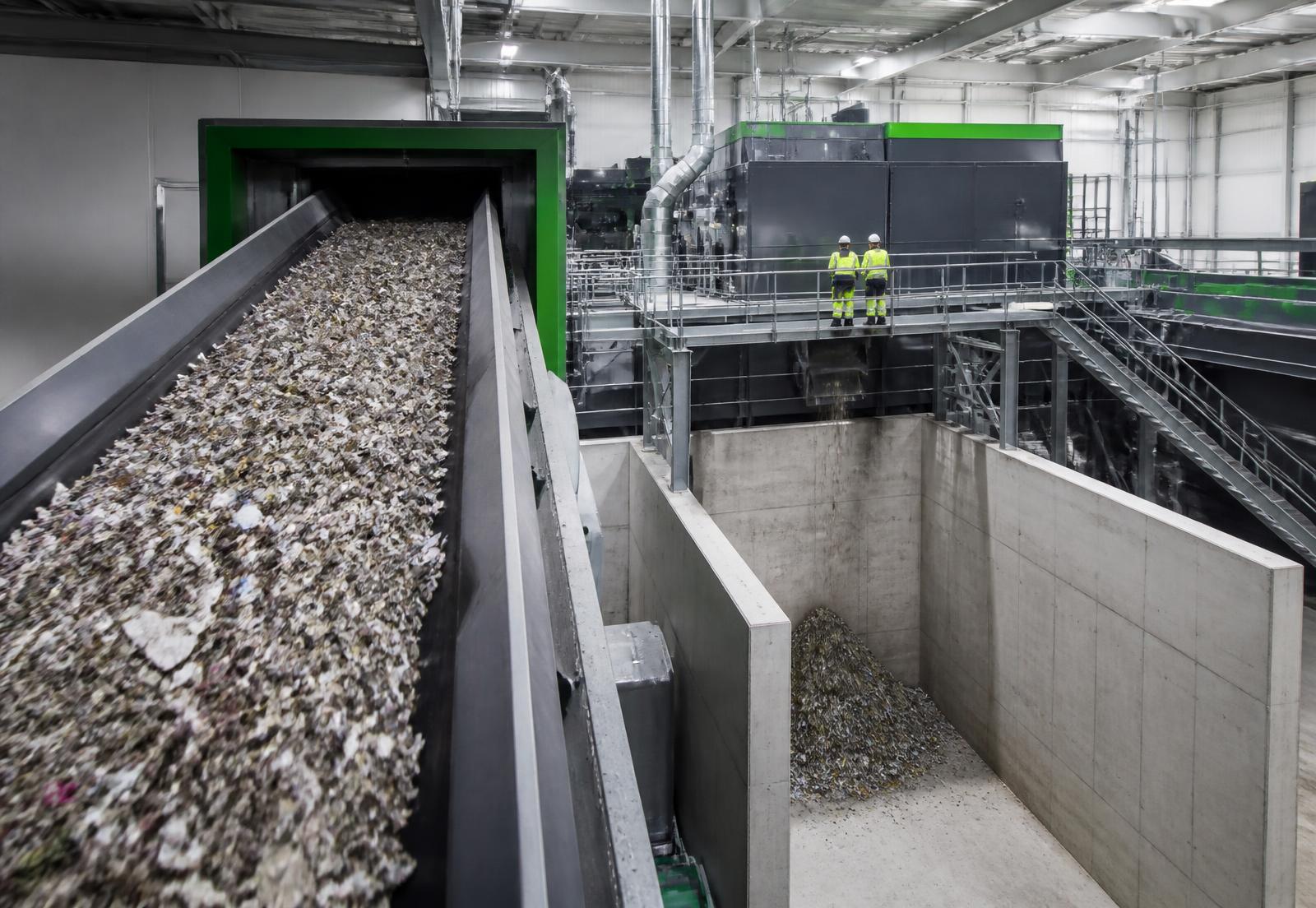
A fuel made from residual material
Refuse-derived fuel, usually shortened to RDF, is produced from non-hazardous residual waste after recyclable and unsuitable fractions have been removed. The remaining combustible material is processed to create a more consistent fuel for energy recovery.
RDF is a broad commercial description rather than one universal specification. Composition, particle size, moisture, calorific value, chlorine and metal content can vary according to the input material and processing route.
How RDF is prepared
Preparation can include sorting, shredding, screening, metal removal, drying and baling. The exact sequence depends on the source material and the receiving plant’s permit and technical requirements.
Good preparation is about predictability. Sampling, documentation and communication between producer, supplier, carrier and receiver help ensure the delivered material matches what was agreed.
Where it is used
RDF may be used in permitted energy-from-waste plants and, where the fuel meets the required specification, in industrial co-processing applications. Cement kilns are one example of an industrial process that can substitute suitable alternative fuels for part of its conventional fuel demand.
The correct outlet is determined by the material, the receiving operation and applicable waste-shipment and environmental rules—not by a label alone.
What buyers need to assess
A responsible supply discussion starts with origin, classification, representative analysis, expected volume, packaging or bulk format, delivery schedule and destination requirements. Cross-border movements can also require prior notification, consent and specific shipment documentation.
ECURA energy coordinates commercial and logistical discussions around each material flow. Final acceptance always remains subject to the receiving facility’s requirements and the applicable authorities.